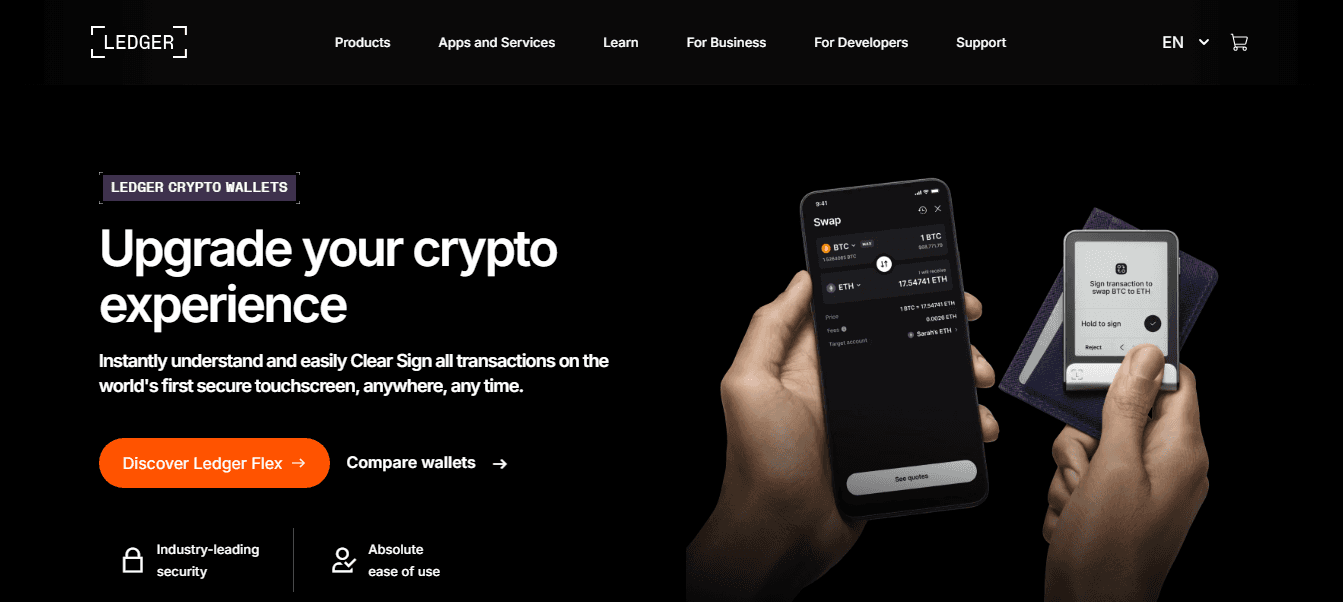
Ledger.com/start: The Complete Guide to Setting Up Your Ledger Wallet
Cryptocurrency has become a critical part of the modern financial landscape, and securing your digital assets is more important than ever. Ledger, a global leader in hardware wallets, provides users with a secure method to store cryptocurrencies offline. At the center of this process is Ledger.com/start, the official onboarding and setup page for Ledger hardware wallets. This guide will cover everything about Ledger.com/start, including why it’s important, step-by-step setup instructions, troubleshooting, mobile access, enterprise applications, and advanced security practices.
What is Ledger.com/start?
Ledger.com/start is the official setup portal provided by Ledger for users to safely initialize their hardware wallets. It guides users through downloading the necessary software, initializing the device, creating a secure PIN, generating a recovery phrase, and installing cryptocurrency applications.
The main purpose of Ledger.com/start is to provide a secure and verified starting point for anyone who owns a Ledger hardware wallet, ensuring that users avoid phishing websites, fake software downloads, or malware that could compromise their assets.
By using Ledger.com/start, users can confidently configure their devices knowing that the setup process follows Ledger’s official security standards.
Why You Should Use Ledger.com/start
Many new cryptocurrency users may not realize the risks of setting up a hardware wallet improperly. Ledger.com/start is specifically designed to mitigate these risks.
Secure Software Downloads
Ledger.com/start provides users with the official Ledger Live software downloads for all supported platforms, including Windows, macOS, Linux, iOS, and Android. Ledger Live is essential for managing your crypto accounts, installing apps, updating firmware, and monitoring balances securely.Guided Device Initialization
The page walks users through each step of device setup, including selecting the correct Ledger model, connecting the device, creating a PIN, and generating the recovery phrase.Protection Against Fraud
Ledger hardware wallets are widely trusted, but counterfeit devices and fake software are common. By following Ledger.com/start, users ensure that they are using legitimate Ledger software and avoiding malicious downloads or instructions.Step-by-Step Instructions
The page provides simple, clear instructions for both beginners and experienced users, making the setup process straightforward and secure.Compatibility Checks
Ledger.com/start ensures that your device firmware and Ledger Live software are compatible, reducing the risk of errors during setup or login.
Ledger Wallet Models and Their Features
Ledger offers multiple hardware wallet models, each with different capabilities. Understanding these devices helps in navigating the setup process on Ledger.com/start.
Ledger Nano S
Entry-level, affordable, and compact.
Supports multiple cryptocurrencies.
PIN-protected login.
Requires USB connection for device interaction.
Ledger Nano X
Bluetooth-enabled for mobile devices.
Large storage capacity for multiple apps and cryptocurrencies.
Enhanced security features for mobile and desktop users.
Supports Ledger Live on both computer and smartphone.
Ledger Nano S Plus
Improved storage and processing compared to Nano S.
Compatible with Ledger Live.
PIN-based secure login and authentication.
Each of these devices relies on a combination of PIN codes and recovery phrases for secure login and transaction authorization.
How to Start Your Ledger Wallet Using Ledger.com/start
Ledger.com/start guides users through the complete setup of their hardware wallet. Below is a detailed step-by-step process:
Step 1: Choose Your Device
Users first select their Ledger hardware wallet model. Instructions are tailored for the chosen device to ensure that setup steps are accurate.
Step 2: Download Ledger Live
The portal provides verified downloads of Ledger Live, the companion application used to manage cryptocurrencies. Ledger Live is essential for installing cryptocurrency apps, syncing accounts, and updating device firmware.
Step 3: Install Ledger Live
After downloading, install the application on your computer or mobile device. Ledger Live will guide you through connecting the Ledger device and initializing it safely.
Step 4: Connect Your Ledger Device
Using USB (or Bluetooth for the Nano X), connect your Ledger device to your computer or mobile device. Ledger.com/start provides step-by-step instructions for establishing a secure connection.
Step 5: Create a PIN Code
You will be prompted to create a PIN code, typically between four and eight digits. This PIN is required each time you log in or authorize a transaction on your Ledger device. A strong PIN enhances the security of your wallet.
Step 6: Generate Your Recovery Phrase
Your Ledger device will generate a 24-word recovery phrase. This phrase is the only way to recover your wallet if the device is lost or reset. Write the phrase down carefully and store it in a secure offline location. Do not store it digitally or share it with anyone.
Step 7: Install Cryptocurrency Apps
Once your device is set up, Ledger Live allows you to install applications for the cryptocurrencies you want to manage. Each app corresponds to a specific blockchain and enables secure transactions through your Ledger device.
Step 8: Sync Accounts and Verify Balances
Finally, connect Ledger Live with your Ledger device to sync cryptocurrency accounts and check balances. This ensures that your setup is complete and that your assets are accessible and secure.
Mobile Ledger Login Using Ledger.com/start
The Ledger Nano X supports mobile login via Bluetooth. Ledger.com/start provides instructions for safely pairing your device with a smartphone:
Install Ledger Live Mobile.
Pair your Ledger device via Bluetooth.
Authenticate login directly on the device.
Manage accounts, send and receive crypto, and install apps through your mobile device securely.
Mobile access is convenient while retaining Ledger’s high-security standards.
Common Issues During Ledger Setup and Login
Even with a secure portal like Ledger.com/start, users may encounter setup or login issues. Here are some common problems and solutions:
Forgotten PIN
Entering the wrong PIN three times triggers a device reset. To regain access, use your 24-word recovery phrase to restore your wallet on a new device.
Ledger Live Not Detecting Device
Ensure that USB or Bluetooth connections are stable. Update Ledger Live and device firmware if needed. Restart your computer or mobile device if issues persist.
Device Frozen or Unresponsive
Power cycle your Ledger device. If the problem continues, contact Ledger support for assistance.
Recovery Phrase Problems
Only the original 24-word recovery phrase generated by your Ledger device can restore access. Avoid third-party or online recovery phrases.
Ledger Login Security Best Practices
To maximize security when setting up and logging in via Ledger.com/start:
Never Share Your PIN or Recovery Phrase
Treat these as sensitive credentials equivalent to bank passwords.Use Strong PIN Codes
Avoid simple sequences like “1234” or “0000.”Purchase Devices Only from Official Sources
Counterfeit devices can compromise your funds.Update Firmware Regularly
Firmware updates improve device performance and security.Avoid Phishing Attempts
Ledger will never ask for your recovery phrase online.Store Recovery Phrases Offline
Paper backups stored in a safe location are recommended for long-term security.
Ledger.com/start for Enterprises
Ledger hardware wallets are also used by businesses managing cryptocurrency assets. Ledger.com/start is suitable for enterprise onboarding:
Multi-User Access: Assign roles and permissions to different team members.
Ledger Vault: Enterprise-level custody solution with multi-signature approval.
Secure Transaction Verification: Each transaction requires device confirmation.
Protection Against Cyber Threats: Hardware wallets minimize the risk of hacking attacks on corporate assets.
Advanced Tips for Ledger Setup and Login
Verify Device Authenticity
Ledger Live checks the device firmware and authenticity during setup.Separate Devices for Cold Storage
Use one device for daily transactions and another for long-term storage.Confirm Transactions on the Device
Always verify addresses and amounts directly on your hardware wallet.Backup PIN and Recovery Offline
Keep additional secure offline backups for emergencies.Regularly Update Ledger Live
Updates ensure compatibility with blockchain apps and improve security.